

Thoughts and Alternatives to the Annual Culling of 75,000 Camels in Australia
By Jahangir Alam Shovon
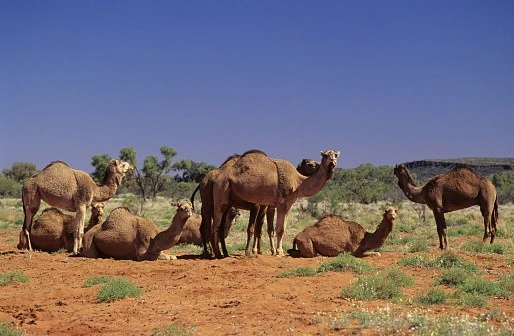
In 1606, Dutch explorer Willem Janszoon became the first European to land in Australia. At that time, camels were nowhere to be seen on the continent. Fast forward to 2020, and Australia now has the largest wild camel population in the world, with around 3 million roaming the landscape. These camels occupy approximately 37% of mainland Australia, causing significant environmental and ecological challenges.
The Camel Problem in Australia
The camel population in Australia doubles every nine years, especially in the arid desert regions. This rapid growth has led to several ecological issues. Camels consume large amounts of water, exacerbating water shortages in already dry areas. They have been observed invading human settlements in search of water, damaging infrastructure and competing with native wildlife. Additionally, camels are believed to contribute to drought and increase methane emissions, which are harmful to the environment.
Due to these problems, Australian authorities have resorted to aerial culling, where snipers in helicopters shoot and kill thousands of camels each year. As of 2012, an average of 75,000 camels were culled annually. In 2020 alone, 10,000 camels were culled in an effort to protect the environment and conserve natural resources. This decision may seem contradictory given Australia’s strict animal rights policies, but it reflects the urgent need to address the environmental damage caused by the rapidly increasing camel population.
The Controversy and Ethical Concerns
The decision to cull camels has sparked debate both locally and internationally. Australia is known for its strong animal welfare laws, where harming stray dogs or cats is strictly prohibited. However, the extensive damage caused by camels has forced the authorities to take drastic measures. Indigenous leaders from the Yankunytjatjara region in South Australia have been particularly vocal about the need to control the camel population to protect their communities and ecosystems.
Despite the ethical concerns, proponents argue that aerial culling is the most “humane” and effective method to control the camel population, given the vast, remote areas these animals inhabit.
Exploring Alternatives to Culling
While culling has been the primary method of population control, there are alternative solutions that could offer a more sustainable and ethical approach:
- Meat Export and Commercial Use: Australia’s wild camels are largely disease-free, making them suitable for commercial use. The camel meat industry could be expanded, providing a source of high-protein meat for export. Currently, only about 5,000 camels are slaughtered annually for human consumption in Australia. Increasing this number could help manage the population while also creating economic opportunities.
- Export to Meat-Deficient Countries: Countries like Bangladesh, which have a high demand for meat, especially during Eid al-Adha, could benefit from importing camels. Each year, approximately 10 million cattle, goats, and other animals are slaughtered in Bangladesh during this religious festival. Importing camels from Australia could help meet this demand, providing an alternative to the local livestock supply.
- Establishing Camel Farms: Setting up camel farms for breeding and meat production could offer a more controlled environment for managing the population. Investment from Bangladesh or other countries with a demand for camel meat could help establish a sustainable farming industry in Australia, turning a problem into an economic opportunity.
- Humanitarian Aid to African Nations: Many countries in Africa face severe food shortages and malnutrition. Humanitarian organizations could facilitate the transfer of camels from Australia to these regions, providing a valuable source of meat and dairy products. This solution could address both Australia’s camel overpopulation and food insecurity in impoverished areas.
The Way Forward
Australia’s natural resilience and lack of predators have allowed their population to grow unchecked. However, simply culling camels is a temporary solution. Long-term strategies, such as developing the camel meat industry and exploring alternative uses for these animals, could provide a more balanced approach to population control.
Addressing this complex issue requires collaboration between the Australian government, local communities, and international partners. While there may be challenges in implementing alternative solutions, exploring these options could lead to more sustainable and humane outcomes.
while culling may currently seem like the most effective way to manage the camel population, there are viable alternatives worth considering. With careful planning and international cooperation, it is possible to turn this ecological challenge into an economic opportunity while also addressing ethical concerns.
Pic: Getty Images